
When disaster strikes, preparation matters
 Prefer us on Google


Coral Reef Insurance Triggered Following Hurricane Damage in Hawaiʻi
For the first time since it launched in 2022, a pioneering coral reef insurance policy has been triggered following hurricane-force winds and heavy rainfall across Hawai’i.
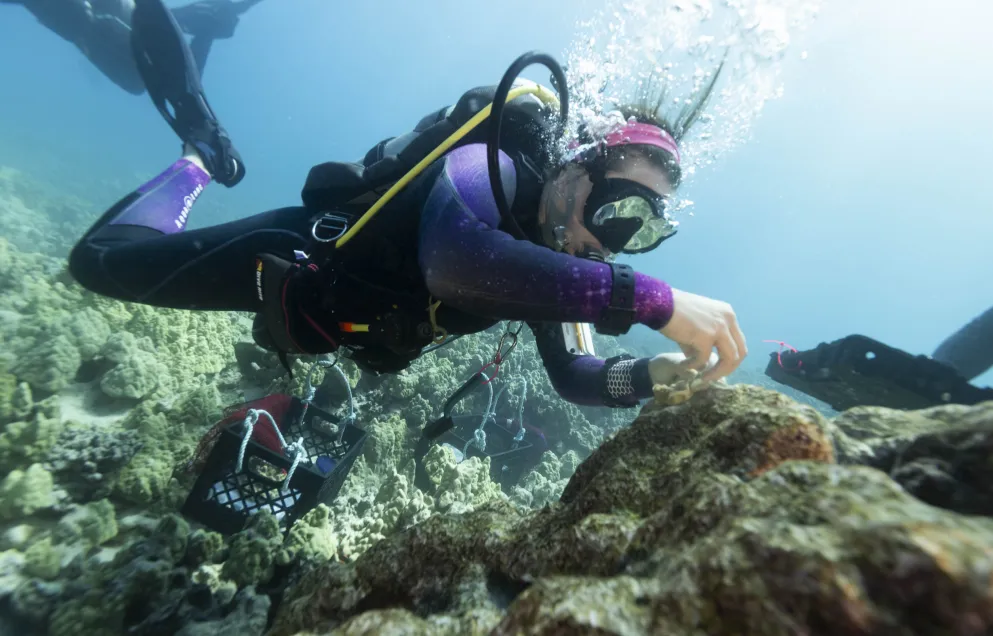
The policy provides rapid funding when pre-agreed weather thresholds are met, helping local teams assess damage and rescue, reattach and repair broken corals as quickly as possible.
Beyond the Payout
While nobody wants to see a reef damaged by a storm, this is exactly why the policy exists: to make sure support is available when nature and communities need it most.
But the impact goes further than the payout.
Since the policy was first purchased by The Nature Conservancy in 2022, it has done far more than create a source of emergency funding. It helped bring together nonprofits, universities, businesses, and state and federal agencies to form the Hawaiʻi Emergency Reef Restoration (HERR) Network, a trained coalition ready to respond when reefs are damaged.
That preparation means communities are not starting from scratch after a disaster. Teams, plans, partnerships and funding are already in place, allowing action to begin far more quickly.
The reef insurance policy was an essential first step, but the real breakthrough was how it brought partners together. The HERR Network has transformed what emergency reef response looks like in Hawaiʻi—creating a coalition that is able to respond rapidly in times of crisis.
This matters because healthy coral reefs are much more than natural wonders. They help protect coastlines from storm surge and erosion, support local livelihoods, sustain marine life and underpin Hawaiʻi's economy and way of life.
From Recovery to Long-Term Resilience
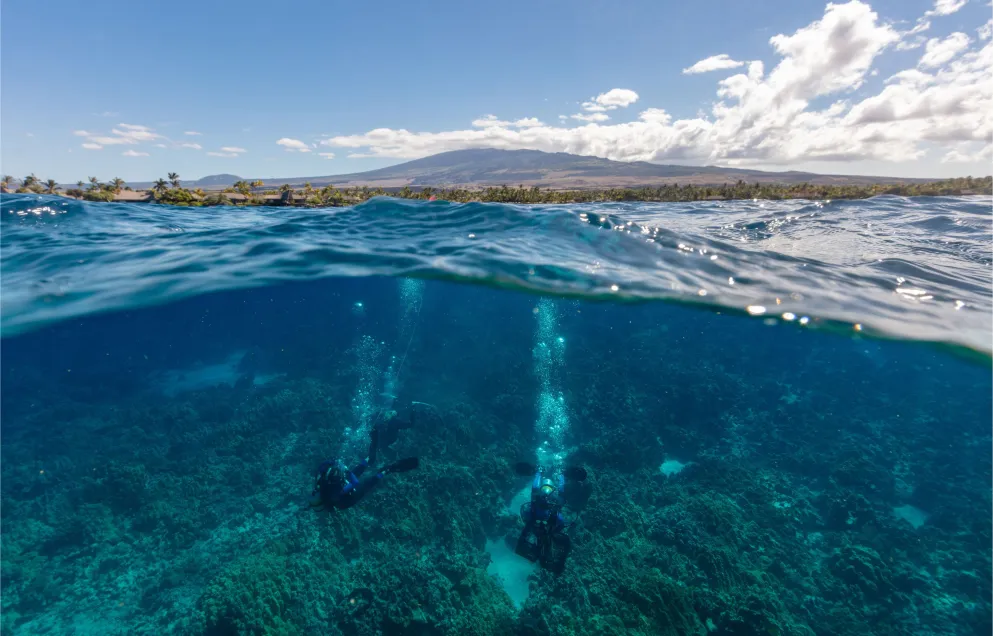
In the coming weeks, the HERR Network will assess the impacts of the recent storm and determine what action is needed to support reef recovery.
The payout will help repair damaged reefs. But the story doesn't end there. This policy, which only covers tropical cyclone-related damage, has demonstrated the value of having funding, partnerships and response plans ready before disaster strikes.
Building on that success, the HERR Network is now exploring additional funding mechanisms to help ensure reef restoration can move forward regardless of the cause of damage.
Learn more on The Nature Conservancy's website.
The Howden Foundation has supported this policy since its inception, helping to demonstrate how insurance can not only fund recovery after disasters but also catalyse the partnerships, planning and preparedness needed to build resilience long before they occur.